



May 7, 2026
The future for corporate real estate
With corporate real estate being the second-highest cost after payroll, and the annual cost of a single workspace reaching around $18,000, the need to reduce unused desks and optimize space is simply good business. At the same time, evolving work patterns have introduced new challenges, as many employees now expect greater flexibility in where and how they work.
The Changing Nature of Workspaces
About 50% of employees prefer a hybrid work experience, combining time in the office with remote work. At the same time, most employees still want access to the office in some capacity, while only a smaller portion prefer working remotely full-time. Traditional, permanently assigned desks are becoming less relevant.
This shift creates a new set of challenges. How do you manage space effectively when employees come and go based on their needs? How do you support collaboration while also accommodating flexible schedules? And how do employees find and access the right workspace when they need it?
Organizations are increasingly rethinking office layouts, repurposing existing spaces, and adopting flexible, modular environments that can adapt to changing demands. The workspace used to be a destination, now it's a tool.
The Need for Smarter Space Management
Managing that tool effectively requires a structured approach to workspace usage. Desk booking becomes a key part of this, but implementing it in a practical way is the real challenge.
Some organizations had already begun adopting hot-desking or agile workspace strategies, but for many, this shift has become a priority rather than a future consideration. A solution that is cost-effective, easy to deploy, and simple to use is essential.
Upfront costs and implementation effort are important factors. Companies benefit from solutions that require minimal configuration and can be deployed quickly, without heavy reliance on professional services.
Having a system ready before employees return to the office ensures a smooth transition. Introducing a solution too late can lead to confusion and inefficiencies.
Workplace policies and regulations also play a role. Managing occupancy levels, controlling which desks are available, and allowing time for cleaning between uses are all important aspects of maintaining a well-functioning office environment.
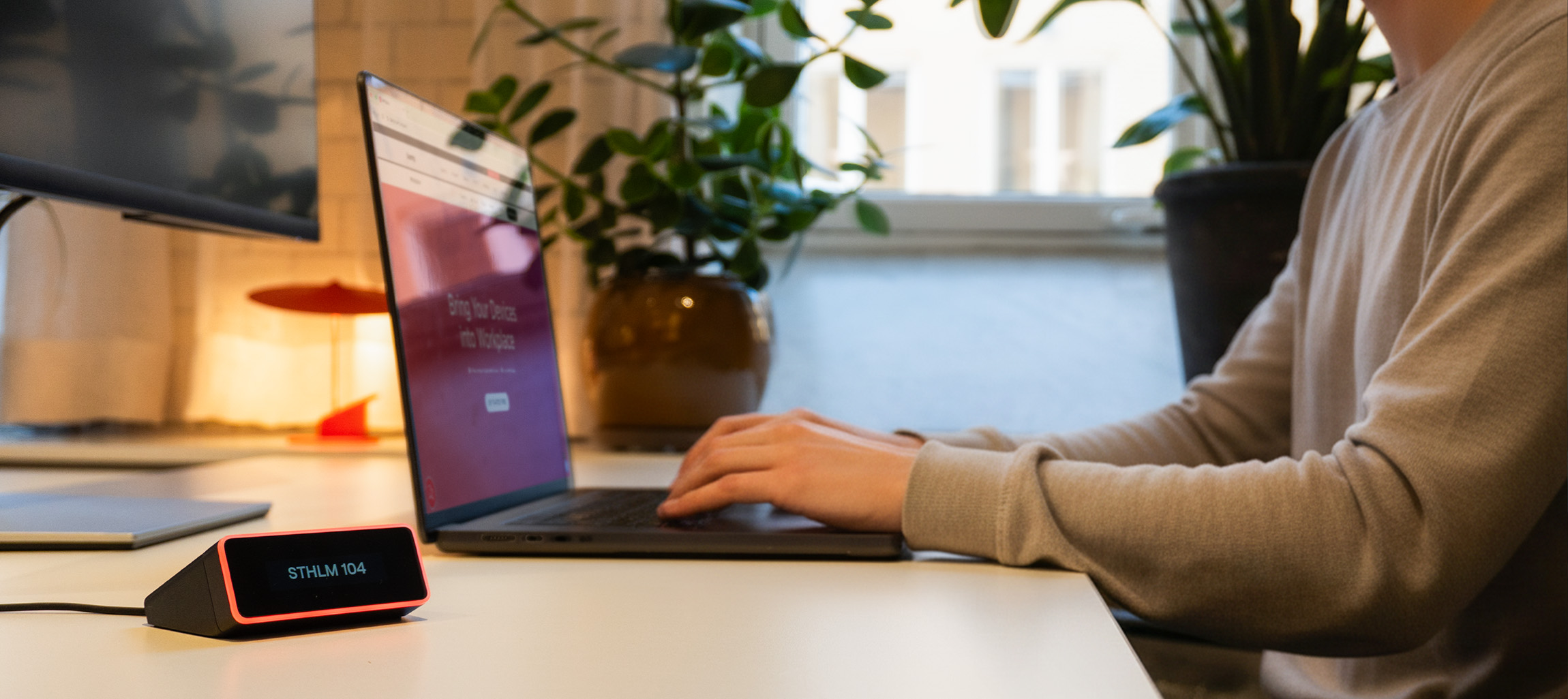
Creating a seamless workplace experience
Ease of use is critical. Mobile apps play a central role, allowing employees to book, modify, or cancel desk reservations quickly from their own devices. This reduces friction and makes the process more intuitive.
Check-in and check-out features help ensure that spaces are used efficiently, while automatic cancellations free up unused desks. These capabilities also provide valuable insights into space utilization.
Integration with sensors and analytics tools enables organizations to better understand occupancy patterns and optimize their real estate strategy. Solutions that require little to no training are especially valuable.
A well-designed mobile experience allows employees to control when they come into the office, where they sit, and how long they stay. It also provides reassurance that workspace usage is managed in a structured and thoughtful way.
In summary, an easy-to-deploy, cost-effective desk booking solution with strong mobile capabilities and insights into space utilization is essential for managing modern work environments and meeting evolving employee expectations.
INSPIRING CASE STORIES
LET'S CONNECT
Fill out this form and a Biamp expert will reach out to you via phone or email. In some regions we may share your contact details and inquiry with one of our qualified third-party sales partners to follow up directly to ensure better local service. For more information please see our Privacy Policy.