


February 5, 2026
How to make the modern workplace actually work
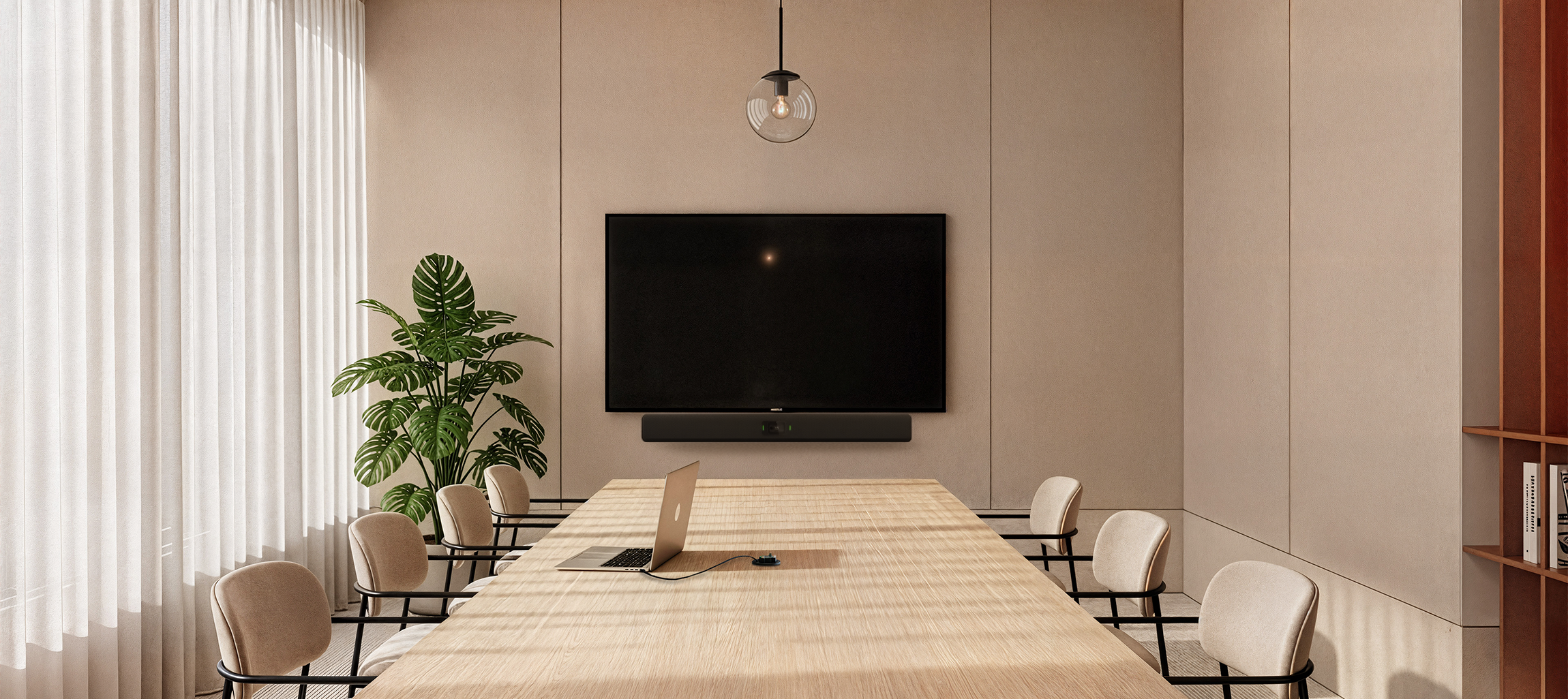
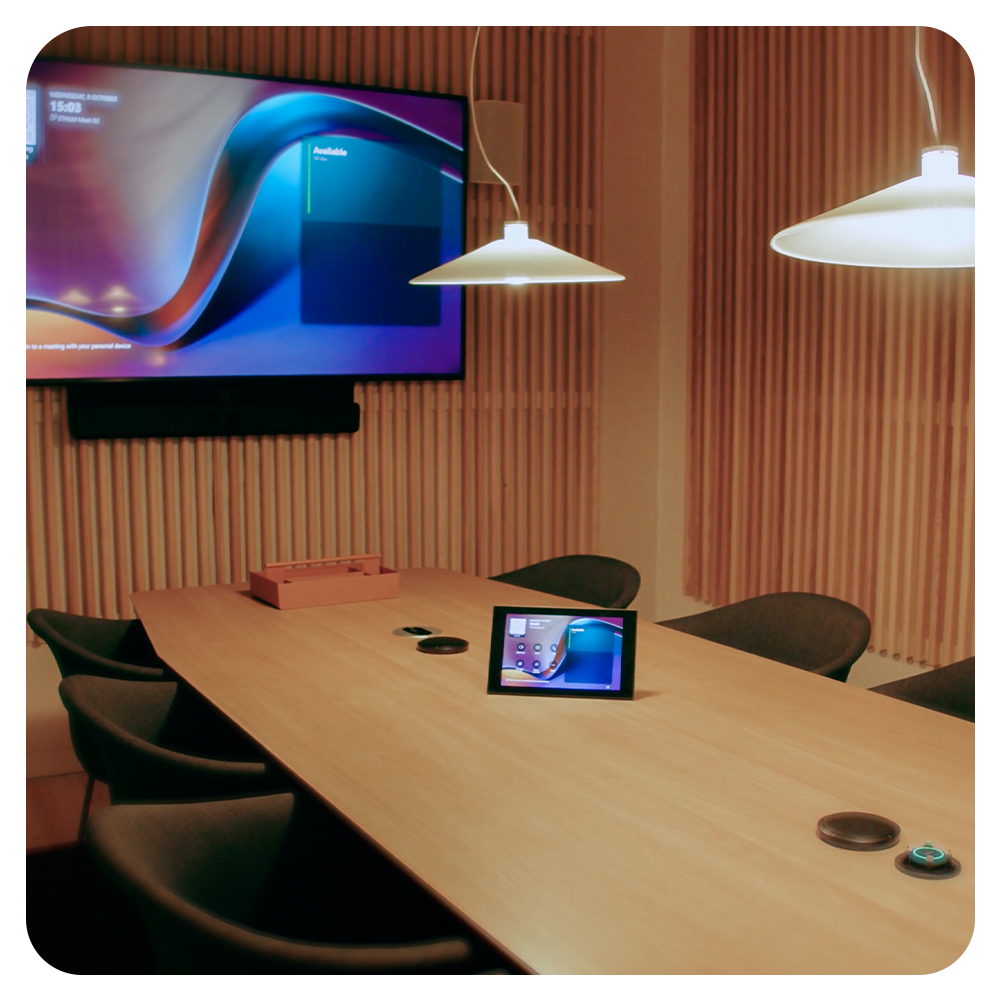
There was a time when meeting rooms were among the most stable spaces in any workplace. You would walk in, connect a cable, and start the meeting. The technology was simple, expectations were clear, and most of the attention stayed on the conversation itself.
That sense of predictability has faded.
Today’s workplaces are built around flexibility. Teams move between office and home a lot more. Collaboration happens across time zones. Meeting rooms are expected to support video conferencing, hybrid collaboration, wireless sharing, and seamless transitions between users, often without anyone thinking twice about how it all works.
We’ve watched this shift happen from the inside. As AV solutions expanded to support new ways of working, layers of technology were added. New conferencing platforms. New room types. New tools meant to solve very specific problems. Each addition made sense on its own. Together, they quietly increased complexity.
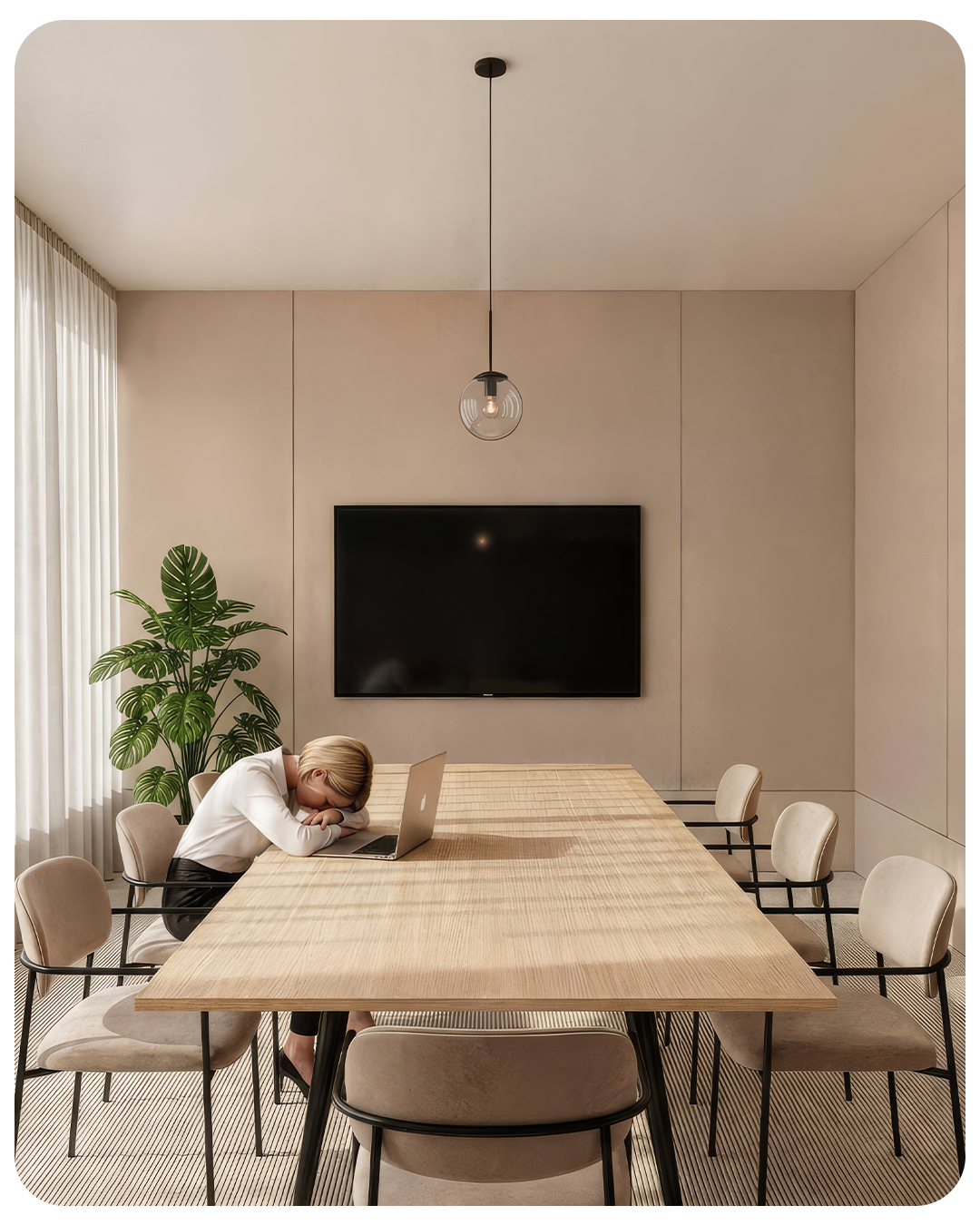
The result is familiar. Meeting rooms look impressive, but confidence in them has dropped. Some users even hesitate before joining calls. IT teams spend time reacting instead of improving. Facilities managers struggle to understand how spaces are actually used.
This article is about addressing that reality. Not by adding more technology, but by making the technology already in place easier to understand, manage, and trust.
Why modern conferencing and meeting room AV feels harder than ever
On paper, workplace AV has never been better. Audio quality is clearer. Cameras are more intelligent. Conferencing platforms are more capable and more widely adopted than at any point in time.
Yet for many organizations, the day-to-day experience tells a different story.
Meeting rooms behave inconsistently. Two rooms with similar layouts perform differently. A space that worked yesterday suddenly doesn’t today. Users adapt by lowering expectations or avoiding certain rooms altogether.
This isn’t a failure of AV performance. It’s a failure of coherence.
As workplaces evolved, AV environments grew organically. Rooms were added or upgraded at different times. Conferencing platforms changed. Temporary solutions became permanent. Over time, the workplace stopped being a single AV system and became a collection of systems.
For IT teams, this creates blind spots. It becomes difficult to know which rooms are healthy and which are fragile. For AV integrators, support becomes reactive rather than strategic. For facilities teams, it’s hard to align space planning with real usage.
And for end users, the experience feels unpredictable.
When people don’t trust meeting rooms, collaboration slows down long before anything technically breaks. That loss of confidence is one of the most expensive and least visible problems in the modern workplace.
Visibility across the workplace
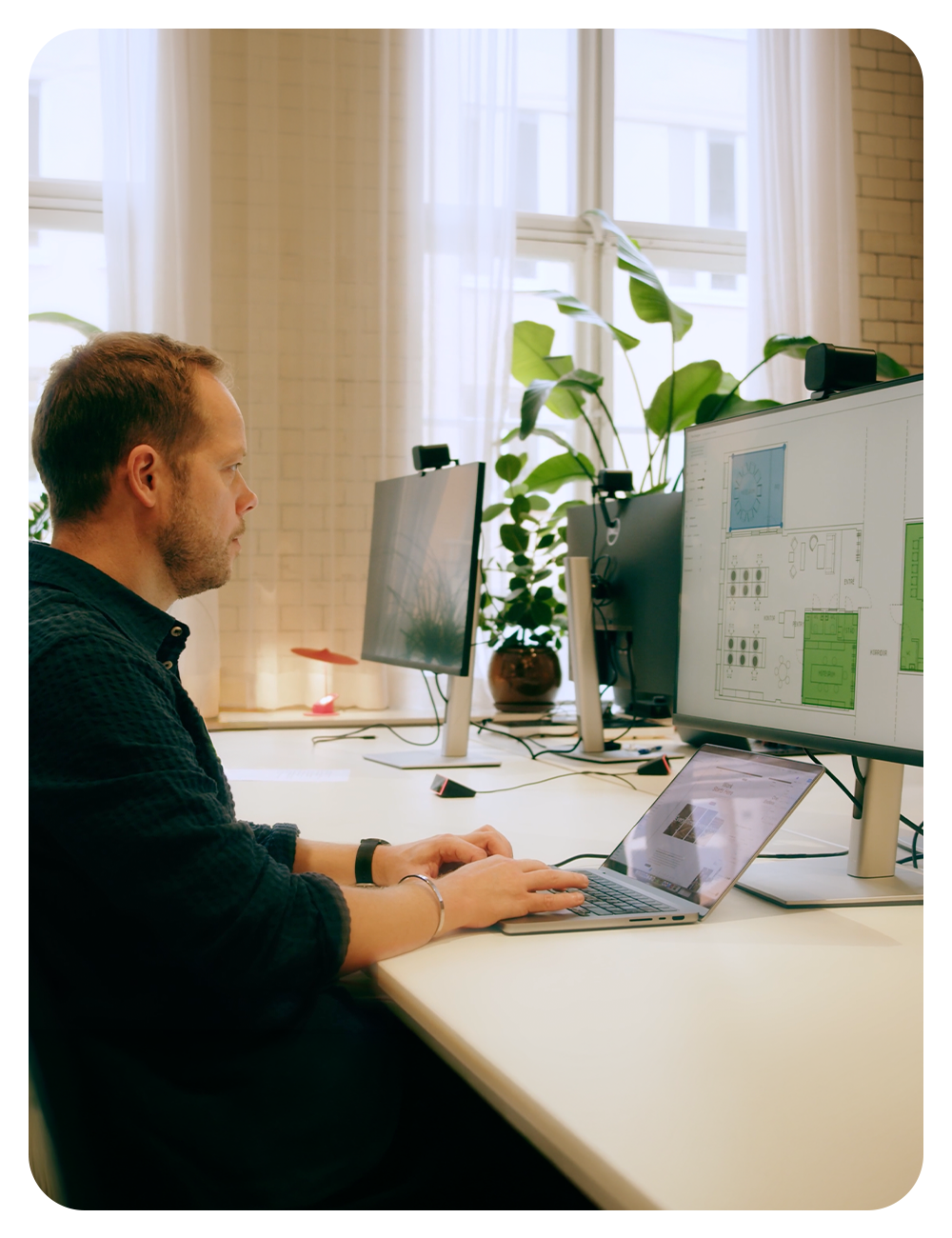
Most AV systems are designed to perform inside a room. Far fewer are designed to explain how an entire workplace behaves over time.
Without a centralized view, organizations rely on signals that arrive too late. A support ticket. A complaint after a failed meeting. A room that’s quietly avoided rather than reported. These are symptoms, not insights.
Meeting rooms that appear identical on the surface often behave very differently in reality. Some carry heavy conferencing loads. Others are booked frequently but rarely occupied. Certain devices develop recurring issues that never quite get resolved because no one sees the pattern.
Visibility changes that dynamic.
When teams can see what’s happening across all meeting rooms and AV solutions, the conversation shifts. Instead of asking why something failed, they can understand how and where problems develop. Instead of guessing where to invest, they can base decisions on real behavior.
Visibility doesn’t just support better troubleshooting. It enables better planning, better prioritization, and ultimately, better workplaces.
How Biamp Workplace brings structure
and clarity back
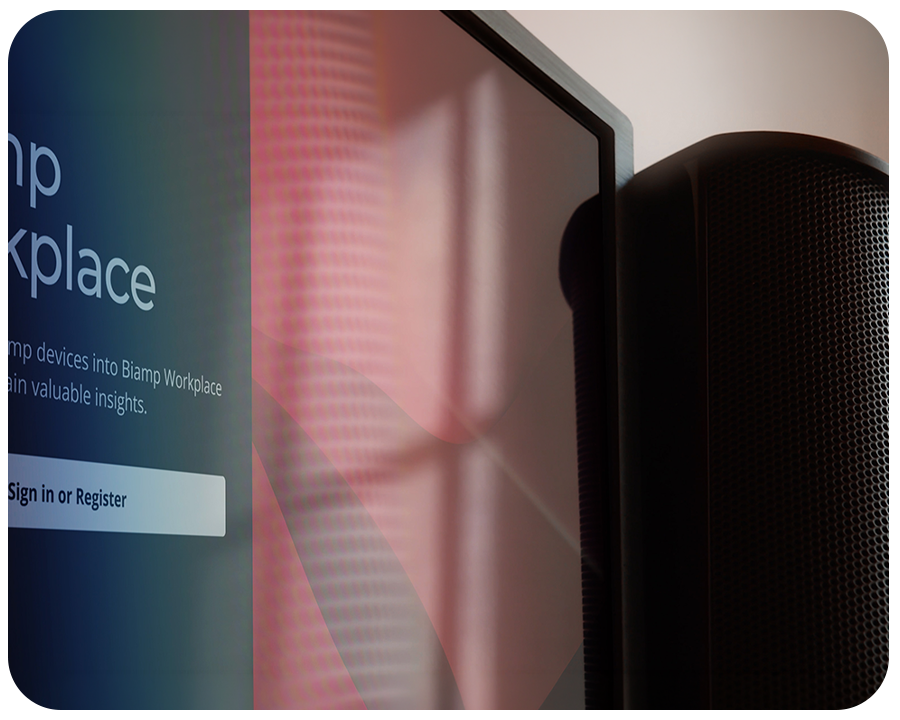
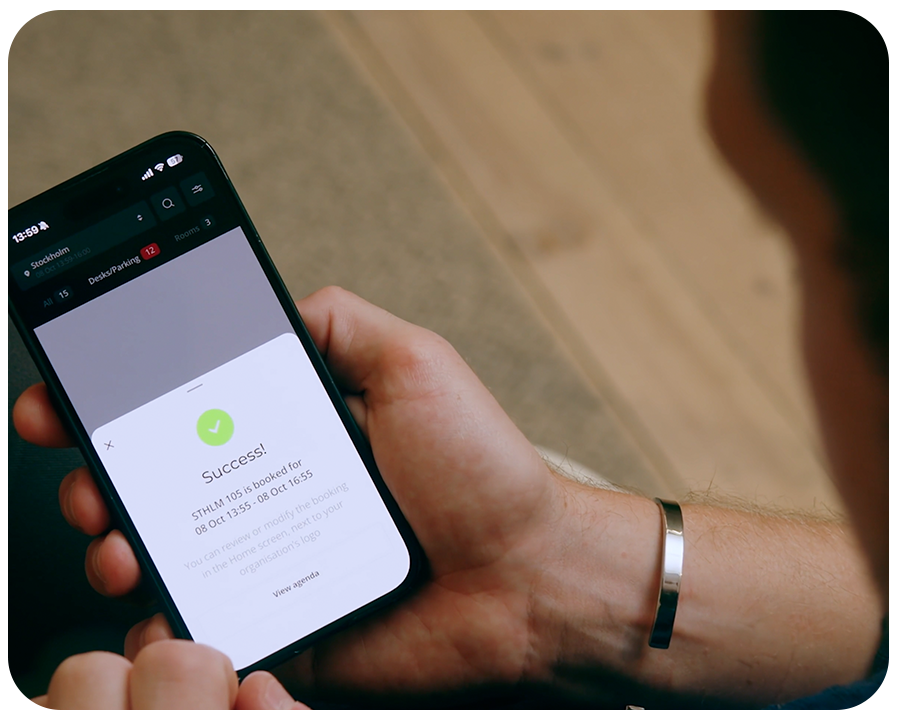
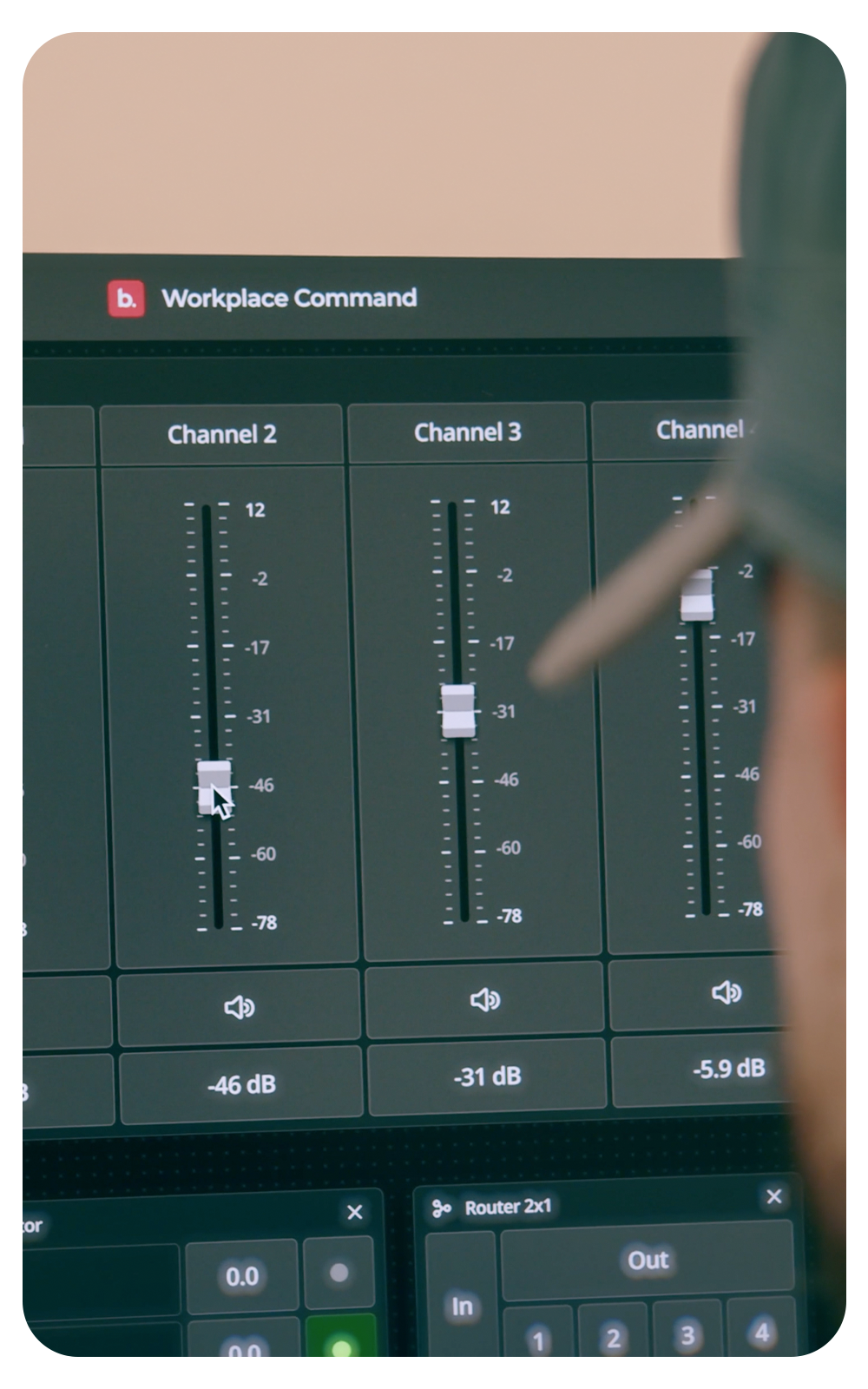
Biamp Workplace is designed to address this exact challenge. It provides a cloud-based layer that connects meeting rooms, conferencing systems, and AV solutions into a single, coherent view.
The purpose isn’t to introduce another tool for teams to manage. It’s to reduce fragmentation by making workplace AV environments easier to understand as a whole.
By centralizing insight, Biamp Workplace allows organizations to see how their meeting rooms are performing, how they’re being used, and where attention is needed—without being physically present in every space.
This clarity has a practical impact across roles.
IT teams gain confidence in system stability and conferencing readiness. Instead of reacting to issues after meetings fail, they can identify risks earlier and manage environments more consistently.
Facilities and workplace managers gain insight into how spaces are actually used. Patterns emerge around room size, layout, and demand. Decisions about future spaces become grounded in evidence rather than assumptions.
AV integrators benefit from remote visibility and clearer diagnostics. Support becomes faster and more proactive. Relationships with customers shift from problem-solving to long-term optimization.
And for end users, the impact is subtle but powerful. Meeting rooms start behaving the same way, every time. Technology becomes predictable again.
From reactive support to workplaces that
improve over time
In many organizations, AV support still follows a reactive model. Something goes wrong. Someone reports it. The issue is fixed. The cycle repeats.
Biamp Workplace enables a different approach, one where patterns matter more than incidents.
When teams can observe trends across meeting rooms and conferencing systems, recurring issues become visible. A specific room that frequently struggles. A configuration that doesn’t scale. A space that’s underutilized despite high demand elsewhere.
This insight allows organizations to shift from firefighting to planning. Maintenance becomes intentional. Upgrades are targeted. Resources are allocated where they have the greatest impact.
Over time, workplaces begin to improve rather than simply recover.
This is especially important in hybrid environments, where consistency is critical. When users move between offices or join meetings from different locations, the experience should feel familiar. Reliable meeting rooms create confidence. Confidence encourages collaboration.
And collaboration is the reason these spaces exist in the first place.
The modern workplace should be manageable
The modern workplace will continue to evolve. New conferencing platforms will emerge. Work patterns will shift again. Expectations will rise further.
What shouldn’t change is the ability to understand and manage the workplace as a system, not just a collection of rooms.
Biamp Workplace is built around that principle. It brings clarity to complexity and structure to environments that have grown organically over time. Not by adding noise, but by making sense of what’s already there.
When meeting rooms become predictable again, trust returns at end-users. When trust returns, technology fades into the background. And when technology gets out of the way, people can focus on what actually matters, communicating, collaborating, and moving work forward.
That’s how we make sure that the modern workplace starts to work again.INSPIRING CASE STORIES
LET'S CONNECT
Fill out this form and a Biamp expert will reach out to you via phone or email. In some regions we may share your contact details and inquiry with one of our qualified third-party sales partners to follow up directly to ensure better local service. For more information please see our Privacy Policy.